Height compresses, flattens and reveals
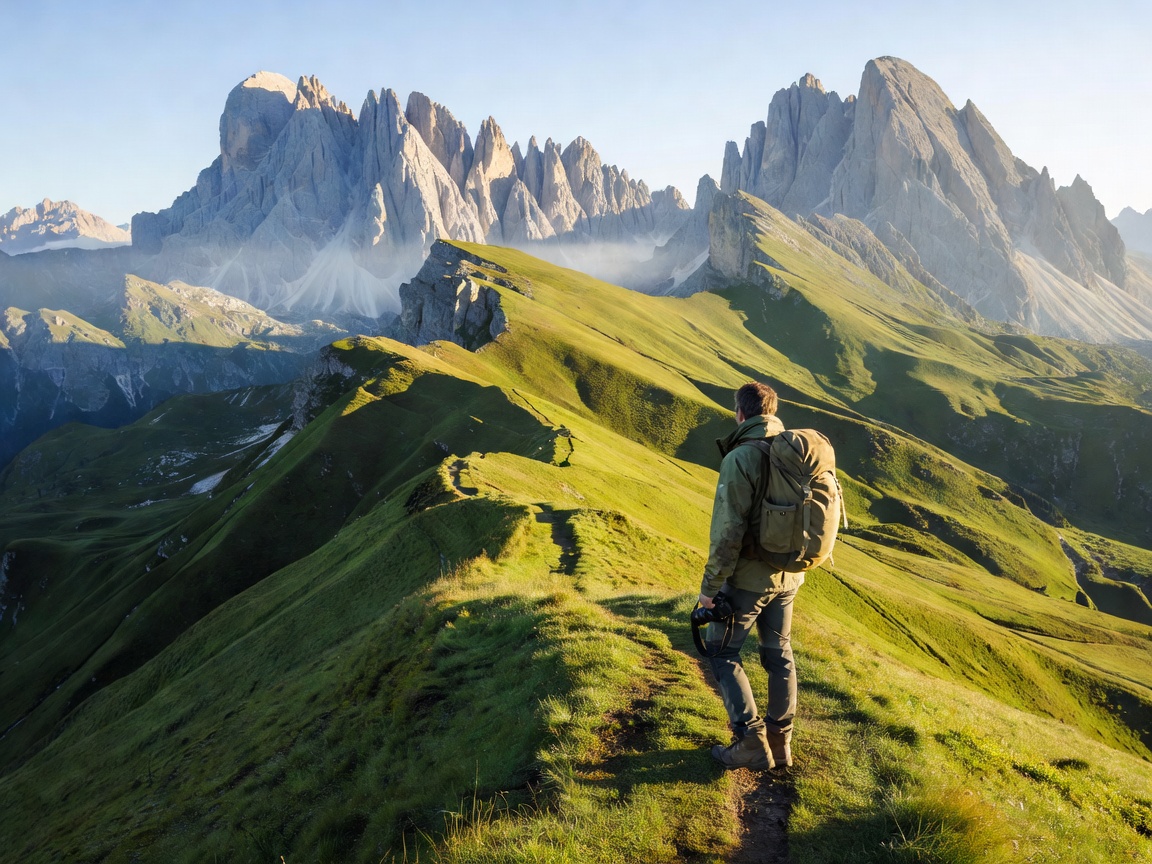
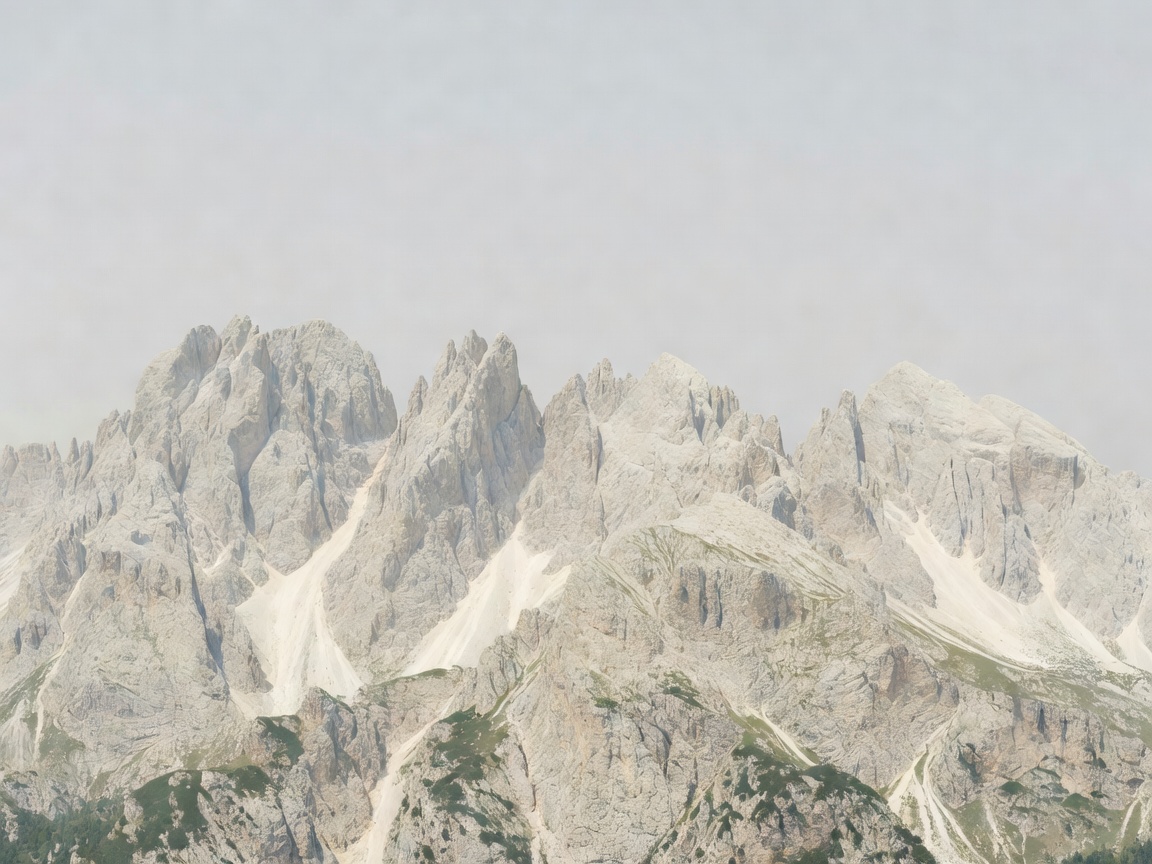
From above, you see patterns that are invisible at ground level—street grids, terraced fields, the way a river shapes a town. The lens you choose decides how that pattern feels. A wide angle from a summit emphasises space and the drop at your feet, but distant peaks can shrink to small bumps. A short telephoto, around 85–200 mm, compresses layers so ridges stack behind one another and a far-off chapel sits close to the mountain behind it.
Many photographers carry the wide lens up and leave the telephoto behind. For viewpoints, the reverse is often wiser: some of the strongest frames from places like Seceda or Tre Cime di Lavaredo come from isolating one layered section of the view.
Side light reveals relief
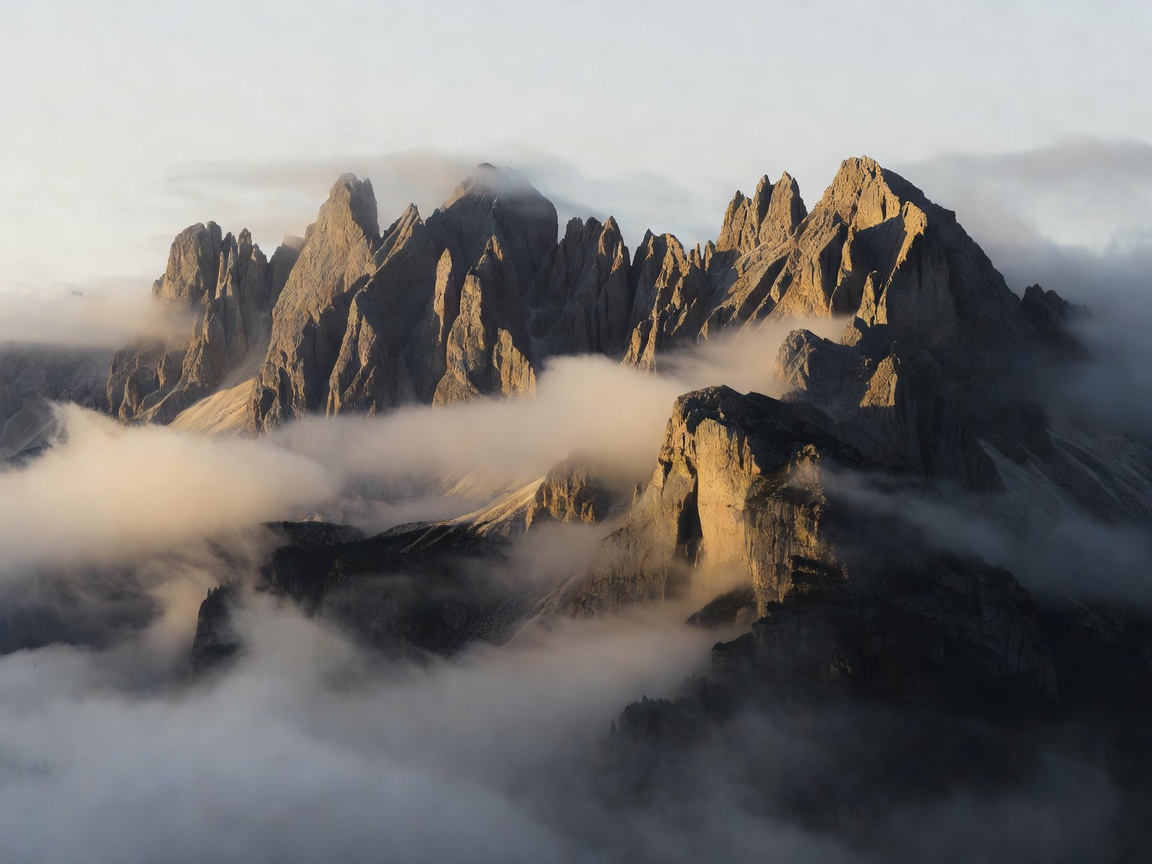
Mountains need shadow to look three-dimensional. When the sun is behind you at midday, slopes turn flat and peaks look like cut-outs. When light comes from the side—shortly after sunrise or before sunset—every gully and ridge picks up a highlight and a shadow. Mist in the valleys adds separation between layers.
Check which direction your ridge faces. Seceda’s famous spikes catch early light from the east; west-facing walls glow at the end of the day. Clear air after rain often gives the sharpest distant detail.
Architecture: verticals and vantage
Pointing a camera upward at a tall building makes its sides lean inward. The cure is distance and height. Moving back and raising your position lets you keep the camera level, so verticals stay straight. In Barcelona, crossing to Plaça de Gaudí puts the pond between you and the Sagrada Família, giving both distance and a reflection.
In Florence, Piazzale Michelangelo looks across the Arno to the Duomo; at blue hour the city lights and dusk sky balance. In Paris, the steps below Sacré-Cœur in Montmartre give a raised view across the rooftops.
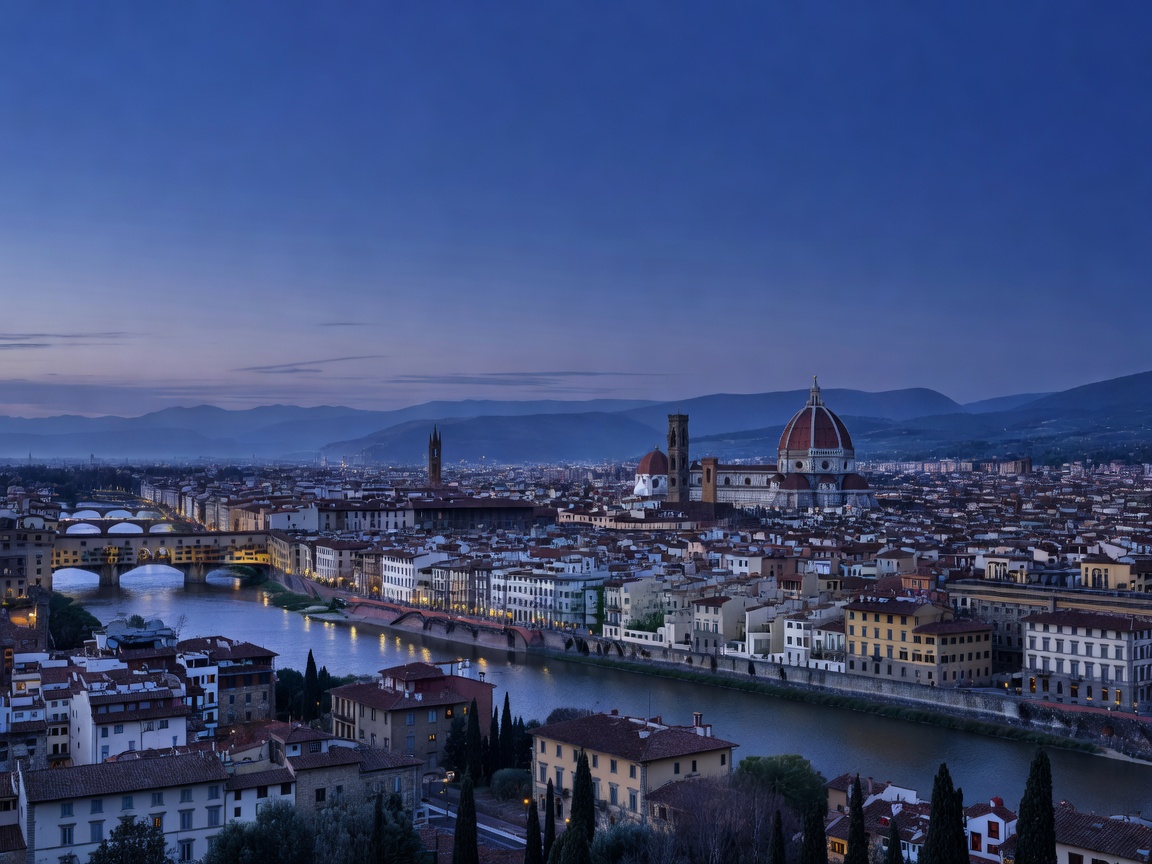
- The Arno and Ponte Vecchio form a foreground line.
- The Duomo sits on a third, framed by terracotta roofs.
- Blue-hour sky balances with warm street lights.
Plan access and weather windows
Viewpoints are only useful if you can be there at the right time. Cable cars in the Dolomites often run seasonally with set first and last departures, so a sunrise at the top may mean a long walk instead. Machu Picchu uses timed entry tickets and set circuits; plan which circuit reaches the classic upper viewpoint. Trolltunga in Norway is a long, demanding hike that requires preparation and good weather.
Use mountain forecasts, not city ones, and watch for afternoon cloud build-up in summer. Pack layers, water and a headlamp. Arriving early also gives you time to scout foregrounds—a rock, a flower, a winding path—before the light arrives.
Light and access panel
Low and from the side
First and last hour for mountains; blue hour for city viewpoints.
Timed tickets, lifts, trails
Check opening hours, booking rules and the last way down before you commit.
Share the railing
Take your frames, then make room. Follow drone rules at parks and monuments.