Make the next frame stronger
Short, practical answers to the questions travel photographers ask us most—about light, gear, access, safety and respect on location.
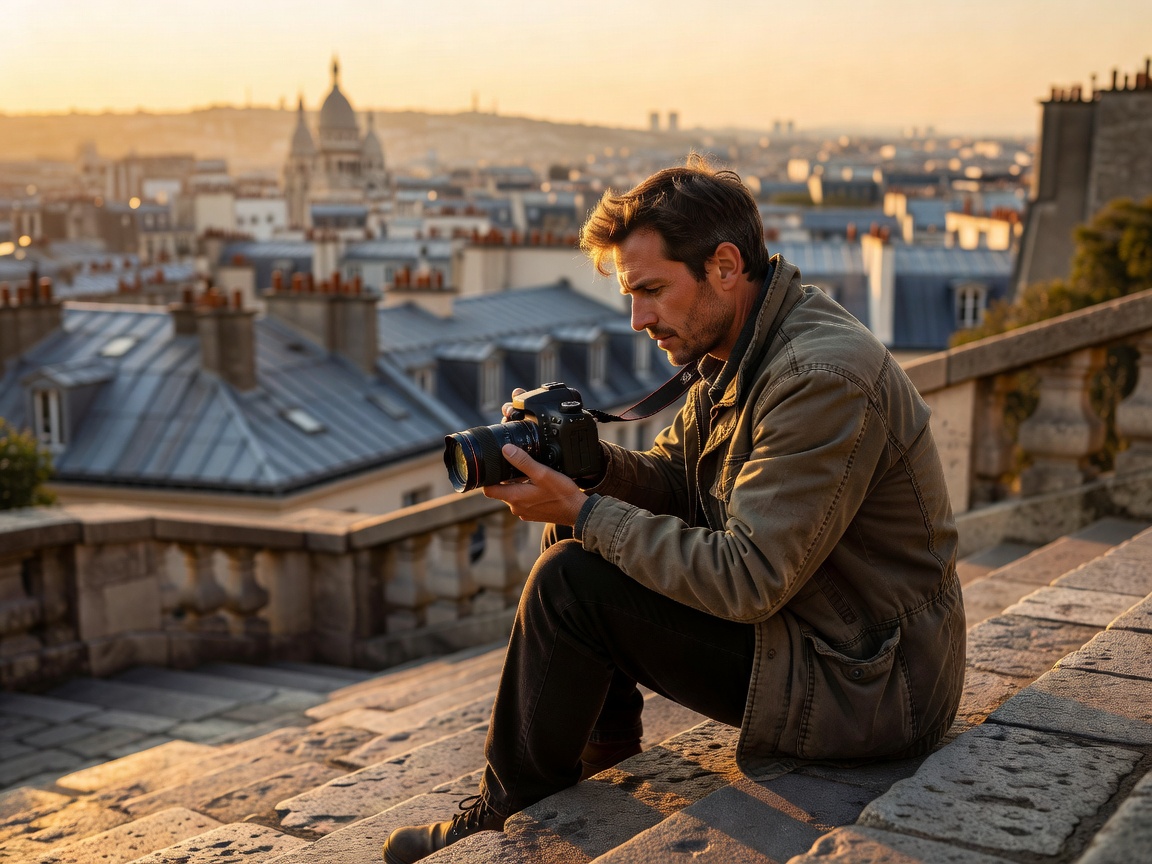
What time of day is best for travel photography?
The hour after sunrise and before sunset gives warm, directional light. Overcast days suit colourful villages and forests, and blue hour suits cities.
Do I need an expensive camera?
No. Reading light and composition matters more than equipment. A modern phone handles most street and village scenes well.
Which lens should I pack for one trip?
A standard zoom around 24–70 mm full-frame equivalent covers most streets and viewpoints. Add a small telephoto for mountains if weight allows.
How do I avoid crowds at famous spots?
Arrive at sunrise, travel off-season, stay overnight near the location or reframe with a tighter crop or lower angle.
Is it legal to photograph strangers in the street?
It depends on the country. Many places allow photography in public, but privacy and image rights differ. Check local rules and ask before close portraits.
Can I fly a drone at scenic locations?
Often not without permission. Many national parks, historic centres and landmarks restrict drones. Check the national aviation authority and site rules first.
How do I photograph colourful walls without losing detail?
Shoot in open shade or soft overcast light and underexpose slightly to protect saturated reds and yellows.
How can I stay safe on coastal paths?
Check tides and swell, stay behind barriers, keep away from cliff edges in wind and never turn your back on the sea.
How do I find where the sun will rise or set?
Use a sun-path or ephemeris app to see sunrise and sunset bearings for your date, then match them to the direction your location faces.
How should I back up photos while travelling?
Keep at least two copies on separate devices, such as memory cards plus a portable drive or cloud upload when connections allow.