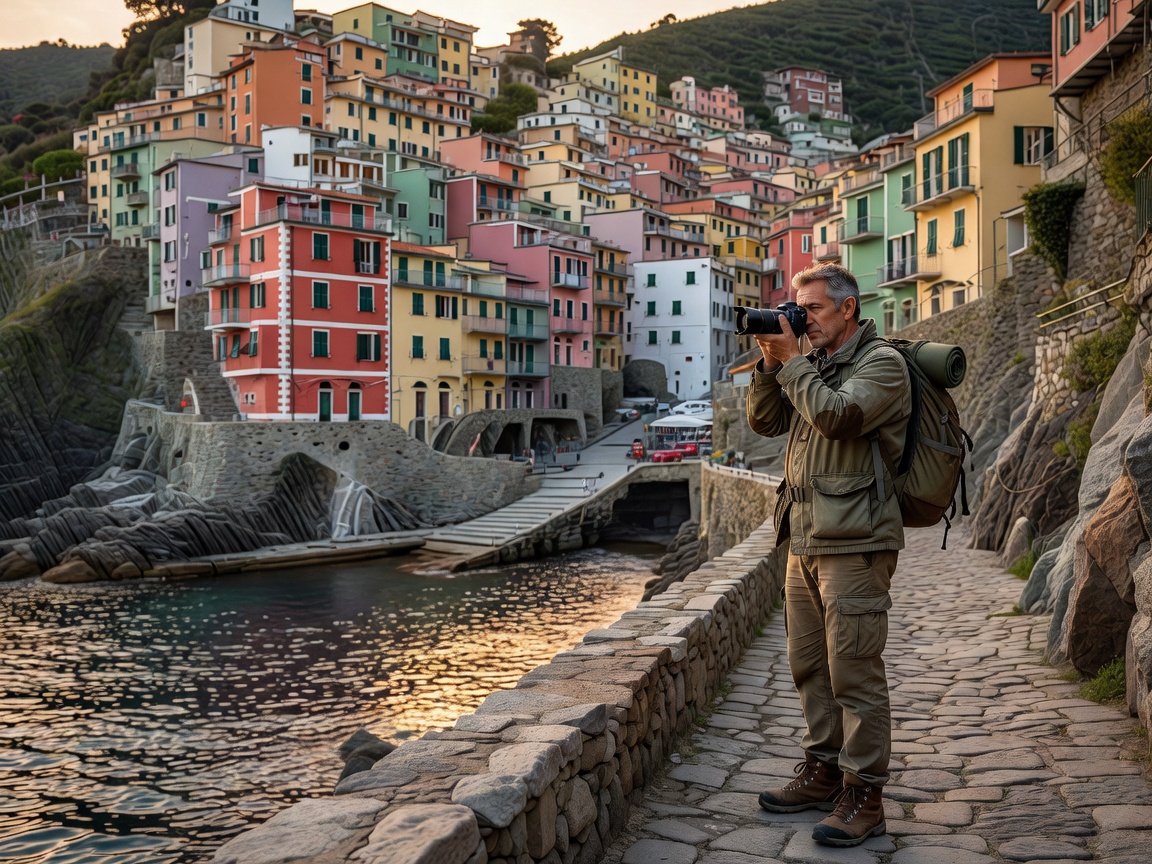
Colour is a light problem
Bright sun is the enemy of painted walls. Direct midday light bleaches pastels, pushes reds and yellows past what your sensor can record and throws hard black shadows under eaves. Open shade—the side of a street not in direct sun—or a bright overcast sky does the opposite: colour becomes dense and even, and textures in old plaster appear.
In Burano, on the Venice lagoon, the houses along the canals look richest on cloudy mornings, when the water is calm enough to repeat them in reflection. In Colmar’s Petite Venise in Alsace, the half-timbered facades are best just after sunrise, before tour groups arrive and while light is still low and warm.
Exposure matters too. Underexpose by a third to two-thirds of a stop to protect saturated channels, then lift shadows later. Check your histogram for individual colour channels if your camera offers it.
Find the relationship between colours
A frame packed with every colour in the village reads as noise. Choose two or three that work together. Complementary pairs—orange against teal, red against green, yellow against violet—create tension. Neighbouring colours, such as ochre, terracotta and rose, feel calm.
In Guatapé, Colombia, each house carries painted relief panels called zócalos. Rather than shooting the whole street, isolate one panel beside a contrasting door. In Chefchaouen, Morocco, a single terracotta pot against painted walls gives the eye a resting point.
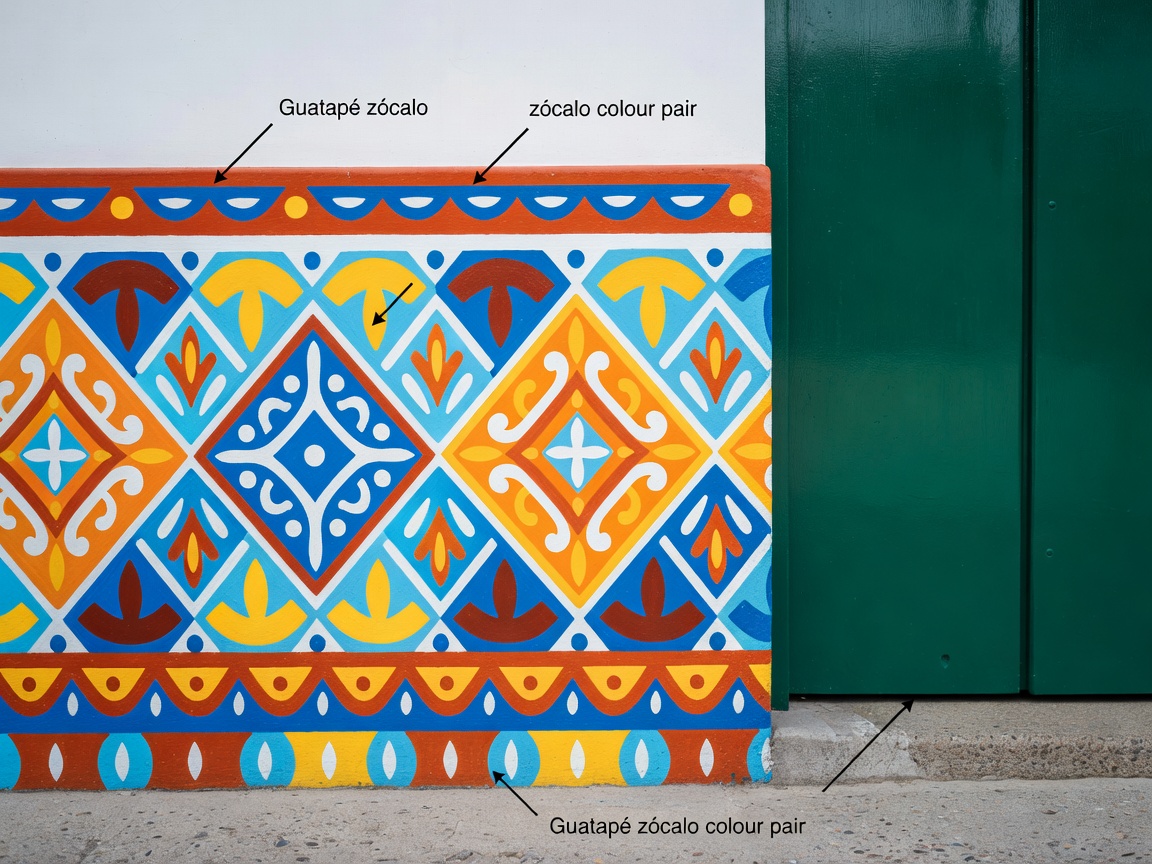
- Open shade keeps the painted relief evenly lit.
- Green door and warm panel form a complementary pair.
- A sliver of street at the edge hints at the wider town.
Let people and objects give scale
Walls alone become wallpaper. Add a human or practical detail and the image becomes a place where people live: laundry strung between windows, a bicycle leaning on a doorframe, a fisherman mending nets, a resident watering geraniums. These details give scale and remind the viewer that these are homes, not film sets.
Be considerate. Many residents of popular villages are tired of cameras at their windows. Photograph from the public street, avoid pointing lenses into homes and ask before making a portrait. A smile and a short exchange often lead to better, more natural pictures anyway.
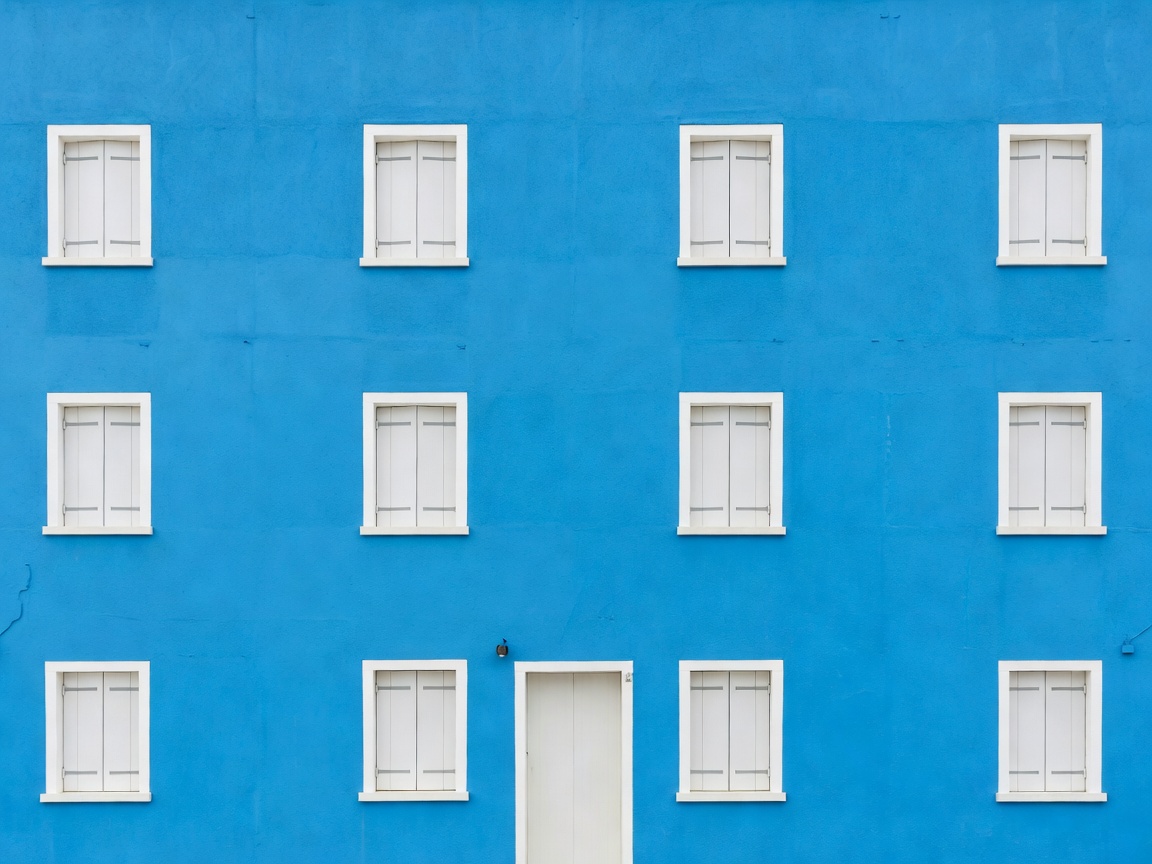
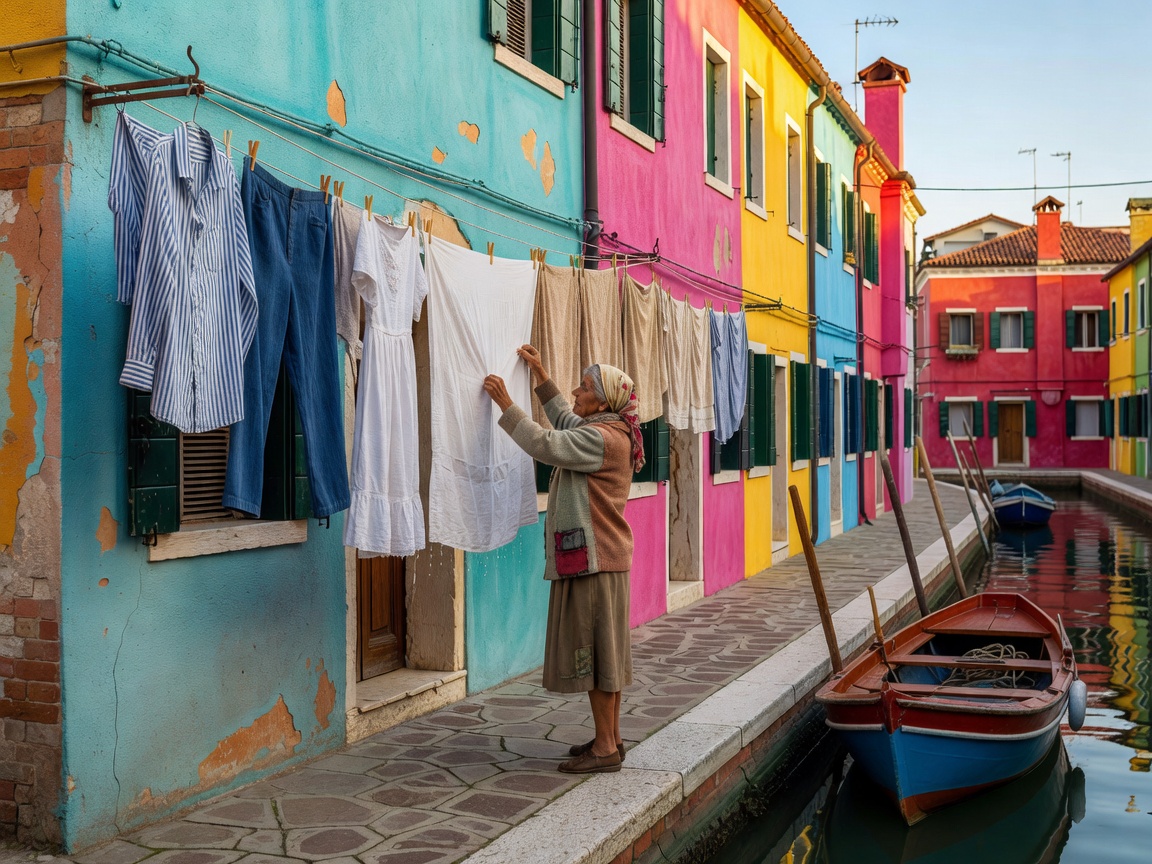
Photograph the village, not only the facade
Step back from the walls to show why the village looks the way it does. Manarola’s houses climb a ravine above a tiny harbour; the classic view from the coastal path near Punta Bonfiglio explains the setting in one frame. Burano’s colour sits beside working canals and lagoon light. In Chefchaouen, the Rif mountains rise behind the medina—climb towards the Spanish Mosque for the wider view at sunset.
Alternate wide establishing images with close studies, as a magazine story would. Together they show both the place and its texture.
Light and access panel
Overcast or open shade
Soft light for walls; low sun for wide views of terraced villages.
Arrive before day-trippers
Stay overnight in or near the village to shoot at dawn and after the last ferries or trains.
Homes, not backdrops
Keep off doorsteps, stay quiet in residential lanes and never move residents’ belongings.